iOS 19 and Encrypted RCS: A New Era of Secure Messaging
Souvik Karmakar
5th November 2025
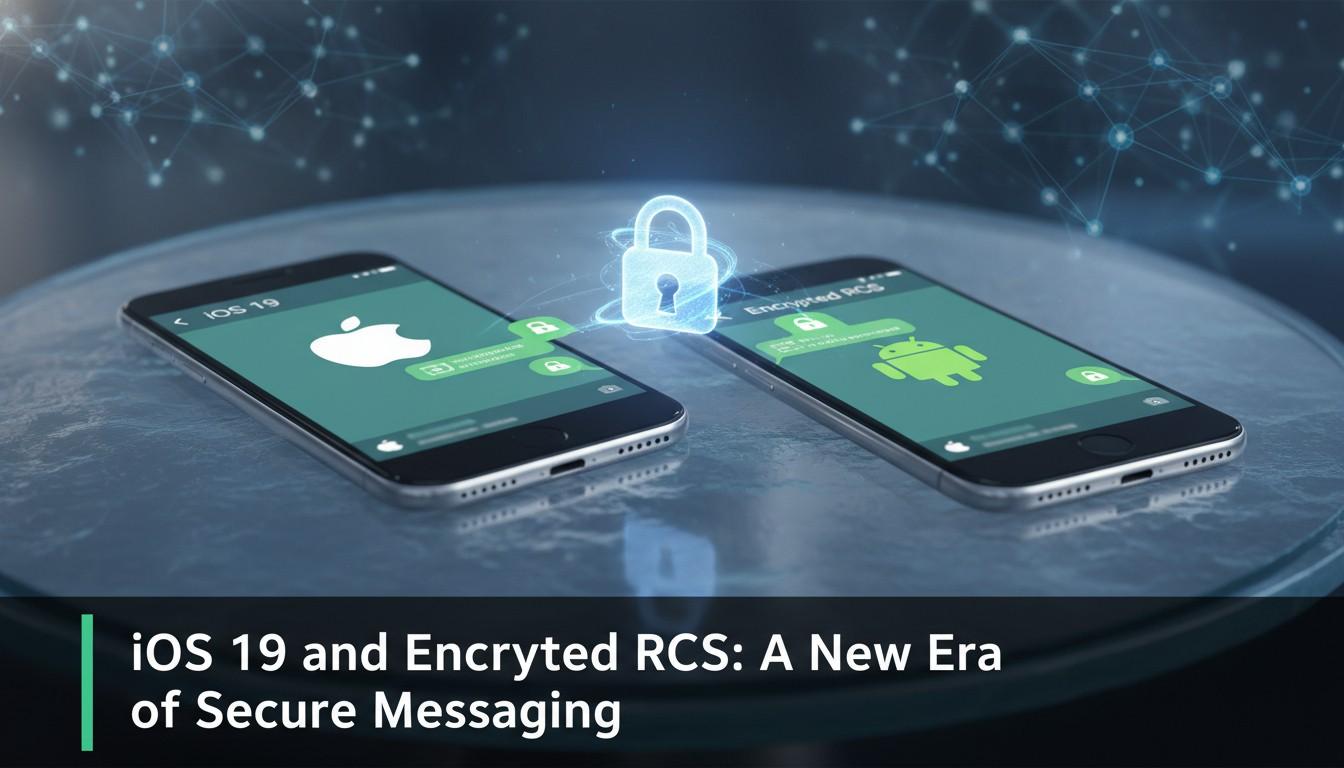
Apple brings something different with iOS 19, and it changes how we see texting. It introduces Rich Communication Services (RCS) with end-to-end encryption (E2EE). Messages between iPhone and Android will now move safely through encrypted channels. This means privacy stays where it belongs, inside your device, inside your hands.
How Does It Affect iPhone and Android Users?
When both sides update their systems, messages will travel through RCS instead of plain SMS. The change brings typing alerts, read receipts, and sharper photos. Every message will move with encryption, and no middle server will read or record them. The process feels simple, but it quietly reshapes the way we talk.
What Is RCS Messaging?
How Is RCS Different from SMS and MMS?
RCS works over data networks, not old carrier lines. It replaces SMS and MMS with a protocol that supports images, videos, and links. The difference lives in how messages move and store. RCS uses the internet to transfer text, and it allows devices to confirm delivery and read status. SMS does not do that, and it carries no privacy by default.
Why Has RCS Been a Challenge for iPhone Users?
Apple held back full RCS integration for years. iMessage already offered rich features, but Android users stayed outside that circle. Earlier versions of iOS introduced RCS without encryption, and that made the experience uneven. iOS 19 fixes that gap by following the global RCS Universal Profile 3.0. Every device that follows it can talk securely.
What Is End-to-End Encryption (E2EE) and Why It Matters
How Does E2EE Protect Your Messages?
End-to-end encryption locks every message before it leaves your phone. Only the receiver can open it, and no carrier or server can read it. Encryption builds trust, and it keeps data in your control. The message turns into code before traveling, and that code cannot be reversed without the right key.
What’s New About E2EE in RCS?
RCS now uses the Messaging Layer Security (MLS) protocol, and that changes everything. It allows encryption across platforms in real time. Before, Apple and Android spoke different security languages. Now they share one method that ensures privacy stays the same for both. This design brings security into the network layer itself, not as an extra feature.
How Will iOS 19 Make RCS Interoperable?
What Does “Interoperable” Really Mean?
Interoperable means different systems can communicate without losing features. In iOS 19, it means iPhones and Android devices can exchange encrypted RCS messages using the same rules. Messages will move between platforms with equal quality and privacy.
How Will Apple Implement Encrypted RCS?
Apple will embed RCS 3.0 support into iOS, iPadOS, and macOS. The Messages app will handle it automatically when available. You will not need another app. Once active, Apple’s servers will recognize when RCS applies, and they will route messages accordingly.
Will It Work With All Carriers and Devices?
Not all at first, but adoption will spread. Carriers must update their infrastructure and support encryption in the RCS layer. Devices running iOS 19 and Android clients with RCS 3.0 will connect smoothly. It depends on both hardware and carrier readiness, but progress moves fast.
Why Does This Matter for Everyday Users?
What Features Will Users Actually Notice?
People will notice fewer limits when chatting between an iPhone and an Android. Media will stay clear, messages will be sent instantly, and typing indicators will appear both ways. Encryption will guard conversations as they travel. Every chat will feel private, and each line will arrive complete and untampered.
How Will Security and Privacy Improve?
E2EE will protect data from interception and misuse. Messages will pass through networks as encrypted packets that even Apple cannot decrypt. That level of trust was once reserved for third-party apps. Now it becomes native.
Will It Fix the “Green vs Blue Bubble” Divide?
Color will still differ, but capability will not. The green bubble will carry the same privacy strength as the blue one. For the first time, users will text across platforms with a near-identical experience and safety.
What Are the Benefits Beyond Users?
How Does It Impact Carriers and Messaging Standards?
Carriers will rely less on legacy SMS protocols. The shift to RCS modernizes communication and reduces overhead. The GSMA’s Universal Profile 3.0 becomes the standard language for messaging networks. It unites manufacturers, carriers, and operating systems under one secure framework.
What Does It Mean for Tech Privacy Overall?
This change brings privacy into infrastructure, not just software. Encryption now sits inside carrier systems, not only in apps. It turns privacy into a base expectation instead of a privilege. The impact reaches governments, developers, and users equally.
Are There Any Limitations or Risks?
Will It Roll Out Everywhere at Once?
The update will appear gradually. Some carriers will take longer to upgrade. Regions with strong infrastructure will see it first, while others will follow later. The speed depends on local adoption and network readiness.
What Are the Compatibility Challenges?
Older devices may not support the new protocol. Some networks might still fall back to SMS. Metadata such as sender, receiver, and time will remain visible. Encryption protects content, not every trace.
Is RCS as Secure as Apps Like WhatsApp or Signal?
RCS 3.0 now stands close in strength. Apps like Signal still offer extra features such as disappearing chats and encrypted backups. But in pure content protection, the new RCS stands strong. For most users, it covers every essential need for safe texting.
What Should You Do to Get Ready?
How to Check if You Have RCS Support
Update your iPhone to iOS 19, and check your carrier’s settings. On Android, open Google Messages, and verify RCS is active. Carriers that support the Universal Profile will display status automatically.
How to Ensure Your Messages Stay Encrypted
Keep your device updated, and use trusted networks. Look for the small lock icon in chat threads. It confirms that RCS encryption is active. When both sides meet the requirements, encryption begins without effort.
What About Older Devices or Versions?
If your phone cannot update, use secure apps like Signal or WhatsApp until RCS 3.0 reaches you. The new protocol will cover most users soon, but some older hardware may never support it. Security always improves when you keep devices current.
What’s Next for Secure Messaging?
Could This Be the End of SMS?
Yes, SMS will fade as RCS becomes the new standard. It is faster, richer, and safer. Carriers already prepare to retire older systems. Over time, RCS will replace them completely.
What’s Apple’s Bigger Strategy Here?
Apple builds toward openness while keeping its privacy core. Supporting RCS allows compliance with global standards without losing control over quality. It also answers pressure from regulators asking for interoperability. This move shows that innovation and cooperation can live together.
Final Thoughts
Is This the Start of True Cross-Platform Privacy?
Yes, it begins here. Encryption finally travels freely between iPhone and Android. The two systems speak one secure language. That matters not only for convenience but also for digital dignity.
Why 2025 Could Redefine Digital Communication
The year 2025 will mark when everyday texting grows up. Apple’s support for encrypted RCS shifts how privacy works on a global scale. It moves security from niche to normal. Conversations become private by design, and trust returns to the network.
Views (41)
Comments (0)
Duration (0)




.jpeg)

 Facebook
 Instagram
 WhatsApp
 Linked in
 Twitter
 Reddit
Comments (0)
Write a Comment