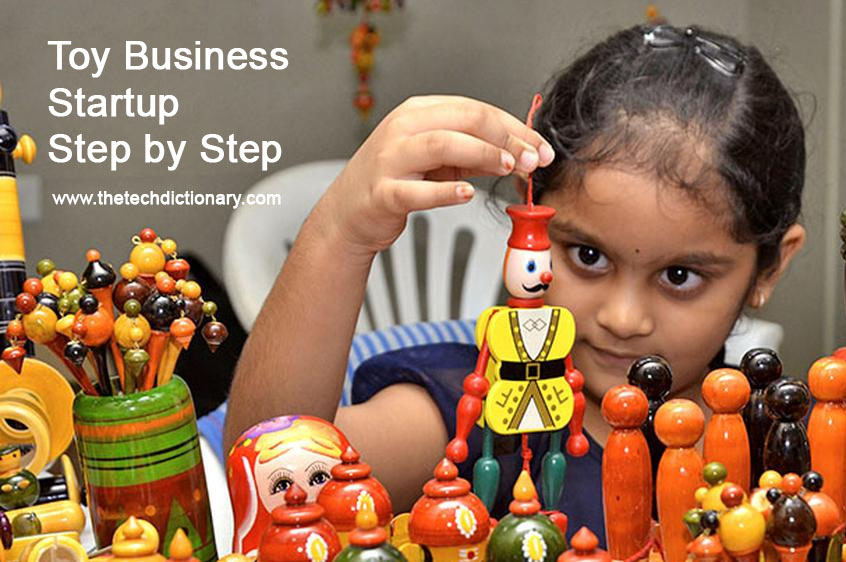
Startup Toy Business in India, A Complete Guide
Leena Jumani
30th May 2024
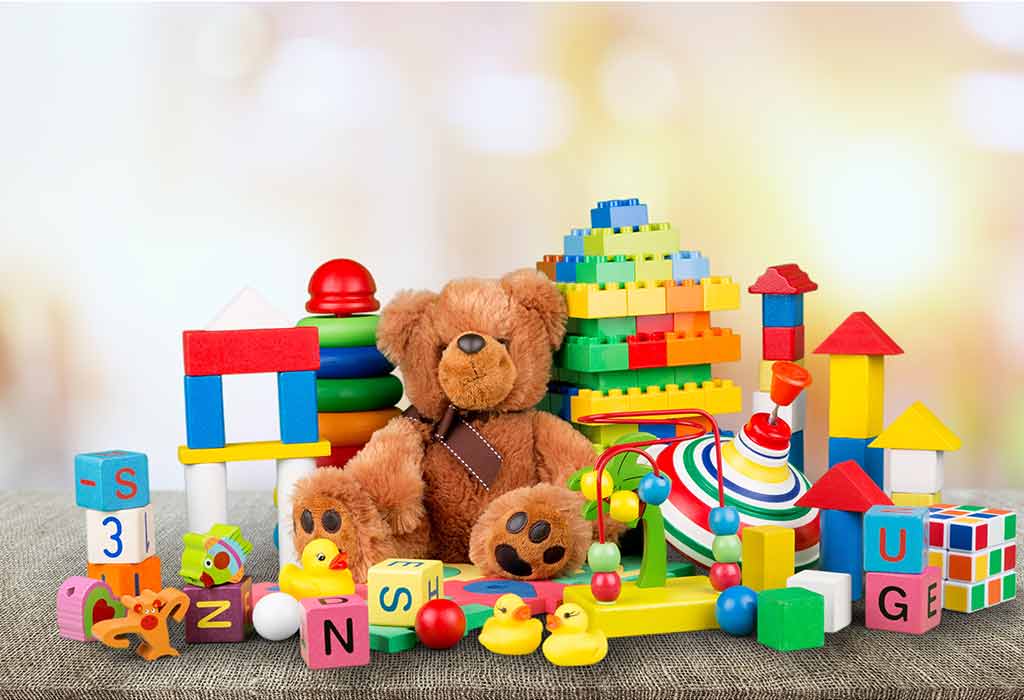
Building Your Dream: Toy Business Plan for India
The Indian toy market is booming, and with careful planning, you can be a part of it! Here's a roadmap to guide you in crafting a solid business plan for your toy company in India:
1. Define Your Niche and Target Audience:
- Market Research: Research current toy trends in India and identify gaps. Are there educational toys, traditional Indian toys, or specific age groups lacking options?
- Target Audience: Who are you creating toys for? Toddlers, preschoolers, or older children? Understanding their needs and interests is crucial.
2. Concept and Product Development:
- Unique Selling Proposition (USP): What makes your toys stand out? Focus on innovation, cultural relevance, educational value, or eco-friendly materials.
- Product Line: Develop a clear product line that caters to your target audience. Will you offer a single hero product or a range of toys?
3. Business Model and Manufacturing:
- Manufacturing: Decide if you'll manufacture in-house, outsource to local manufacturers, or import. Consider factors like cost, quality control, and scalability.
- Sourcing Materials: Research toy material suppliers in India, prioritizing safety and quality. Ensure compliance with regulations like BIS (Bureau of Indian Standards).
- Distribution Channels: Will you sell online, through physical stores, or a combination? Consider partnerships with wholesalers or large retailers.
4. Financial Planning:
- Startup Costs: Estimate costs for product development, manufacturing, marketing, licensing (if applicable), and operational expenses.
- Funding: Explore funding options like personal savings, loans, or angel investors. Create a financial projection to showcase your business potential.
5. Marketing and Sales Strategy:
- Marketing Mix: Develop a marketing strategy using the 4Ps (Product, Price, Place, Promotion). Consider online advertising, social media marketing, influencer partnerships, and participation in toy fairs.
- Pricing Strategy: Set competitive prices considering your target audience's purchasing power and production costs.
6. Legal and Regulatory Considerations:
- Business Registration: Register your business as a sole proprietorship, partnership, or Limited Liability Company (LLC).
- Taxation: Understand Goods and Services Tax (GST) implications for toy manufacturing and sales.
- Safety Regulations: Ensure your toys comply with BIS safety standards for toys (IS 9873).
7. Building Your Team:
- Skillsets: Identify the skills needed for your business, such as toy design, manufacturing expertise, marketing, and sales.
- Team Structure: Decide if you'll work with freelancers, hire employees, or partner with a design and manufacturing agency.
8. Growth and Future Planning:
- Scalability: Plan for future growth. How will you scale production, distribution, and marketing efforts as your business expands?
- Innovation: Stay updated on toy trends and continuously innovate your product line to stay ahead of the competition.

Additional Tips:
- Market Research is Key: Conduct thorough market research to understand consumer preferences, competitor landscape, and industry trends.
- Embrace Digitalization: Utilize online platforms for marketing, sales, and customer service.
- Focus on Quality and Safety: Prioritize high-quality materials and safety standards to build trust with parents.
- Build Brand Identity: Create a strong brand image that resonates with your target audience and reflects your company's values.
By following these steps and conducting thorough research, you can develop a comprehensive business plan that sets your toy company on the path to success in the Indian market. Remember, passion, innovation, and a commitment to quality will be your key ingredients!
General Budget Ranges (Indicative only):
- Low-Budget (Under 5 lakhs): Ideal for starting small with a limited product line, potentially focusing on handmade or imported toys with minimal marketing budget.
- Medium-Budget (5 lakhs - 15 lakhs): Allows for outsourcing manufacturing of a small product line, building a basic e-commerce store, and implementing some marketing strategies.
- High-Budget (Above 15 lakhs): This opens doors for in-house manufacturing (higher initial investment), a wider product range, a more sophisticated e-commerce platform, and a comprehensive marketing strategy.
Views (56)
Comments (0)
Duration (0)



.jpeg)

 Facebook
 Instagram
 WhatsApp
 Linked in
 Twitter
 Reddit
Comments (0)
Write a Comment