WhatsApp Business API Pricing Increase in India from 2026
Souvik Karmakar
24th December 2025
Every business is now asking the same question: “Is WhatsApp Business Pricing Increasing in India from 2026?”
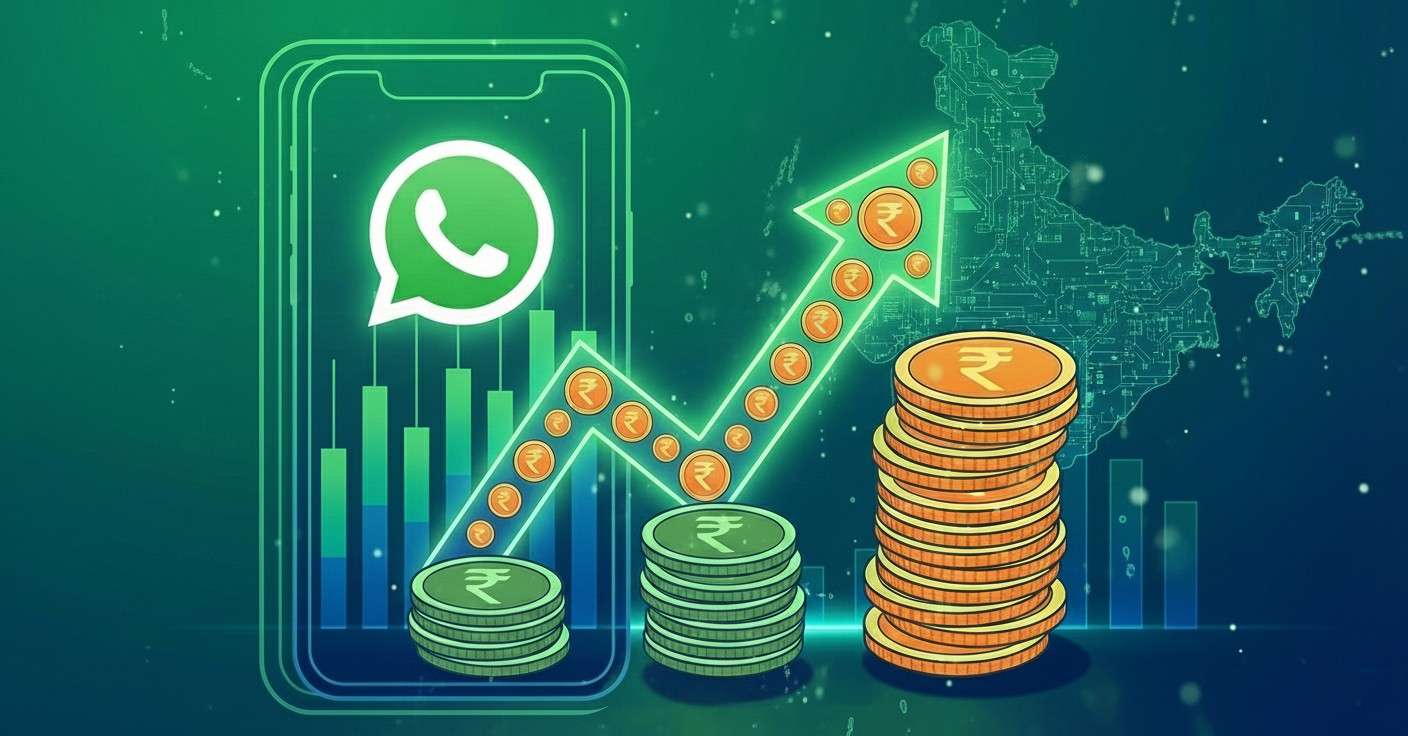
The answer to that question is Yes. This change is real and unfolding clearly because WhatsApp Business API pricing in India will rise from January 2026, and this moment marks a quiet shift in how businesses must think about messaging costs. This transition reflects Meta platform evolution and pricing discipline while reminding businesses that early understanding now prevents confusion later because messaging economics are changing steadily rather than suddenly.
What Is the Latest WhatsApp Business Pricing Update for India?
Meta has revised WhatsApp Business marketing message pricing for India, and this update applies from January 2026 onward while following the platform shift toward per-message billing. Local currency pricing now receives stronger enforcement, and the update mainly affects promotional messaging workflows while transactional categories remain structurally stable for now.
- Marketing message pricing increases
- Utility and authentication pricing remain unchanged
- Per message billing now dominates pricing logic
- Cost impact grows with higher volume usage
When will the new pricing take effect?
The revised pricing becomes effective from January 1, 2026, and from that point any marketing message sent follows new rates, which means businesses planning yearly campaigns must prepare now because delayed planning can inflate communication costs unexpectedly.
Which message categories are impacted?
Only marketing messages face this pricing increase while utility and authentication messages stay unchanged, which explains why promotional broadcasts will feel the strongest pressure, especially when campaign volumes rise.
Is this change officially confirmed?
Yes, the pricing direction is officially confirmed because Meta documentation confirms category-specific changes, and partner disclosures support these adjustments consistently, which shows the increase is neither speculative nor temporary.
How Much Will WhatsApp Marketing Messages Cost from January 2026?
Marketing message pricing will increase measurably from 2026, and in practice, the cost per delivered message becomes higher while small increases quietly compound at scale, which means businesses must calculate long-term impact with care.
- New base rate approaches eighty-six paise
- The earlier rate stayed below eighty paise
- Increase averages by around ten percent
- Final pricing varies by provider services
What is the new Meta base rate per message?
The reported Meta base rate reaches approximately ₹0.8631, and across sources, this number appears consistently, which suggests alignment with official partner pricing cards even though Meta does not publish decimal values publicly.
How much was the earlier effective rate?
Earlier, effective pricing remained near ₹0.7846, and this applied before January 2026 changes, so while the difference appears small per message, it becomes meaningful when scaled across large campaigns.
Is this a significant price increase?
Yes, the increase matters at volume because thousands of messages amplify cost differences quickly, which means marketing budgets may need restructuring while efficiency becomes more important than raw volume.
Why Is Meta Increasing WhatsApp Business Messaging Prices?
Meta pricing changes follow platform maturity, as WhatsApp now operates as an enterprise communication tool. Pricing reflects infrastructure compliance and scale costs, while control gradually replaces the earlier flexibility.
- Shift toward per-message billing
- Stronger local pricing enforcement
- Reduced discount-driven misuse
- Platform sustainability focus
What changed in Meta’s pricing model?
Meta replaced conversation billing with message billing, and as a result, each message now carries an individual cost, which improves clarity and revenue predictability while significantly closing pricing loopholes.
Why did Meta move to per-message billing?
Conversation billing encouraged excessive usage, but over time, message billing aligns cost with consumption, which makes platform abuse harder and revenue tracking simpler.
How does local currency pricing affect India?
Local pricing removes currency buffer effects, so Indian businesses now feel pricing changes more directly, while earlier conversion gaps disappear and predictability improves as flexibility reduces.
What Happens to BSP Margins After the Pricing Change?
BSP margins face visible compression across the market because pricing flexibility has reduced sharply, and sustainability now depends on operational efficiency, while service quality becomes the true differentiator.
- Lower discounting capacity
- Higher dependency on Meta base rates
- Compliance costs increase steadily
- Margin-driven competition weakens
Do BSPs still have pricing flexibility?
Flexibility exists but within limits because base rates now anchor pricing strongly, which makes aggressive undercutting difficult, while responsible pricing protects compliance.
Has Meta reduced or removed commissions?
Meta has not issued public statements yet, economic behavior has changed because the margin of error has narrowed significantly, and the impact feels practical rather than declared.
Why are BSP margins getting tighter?
Higher base costs raise operating thresholds while compliance monitoring increases expenses and infrastructure, with support costs rising steadily, which forces margins to adjust.
Disclaimer: While core WhatsApp Business marketing rate changes effective January 2026 are confirmed through multiple Business Solution Provider reports, certain claims such as reductions or withdrawals in BSP commissions, remain unverified by direct official Meta statements or documentation. Market pricing expectations and margin impacts reflect industry inferences rather than guaranteed outcomes. Businesses should cross-check details via authorized Meta partners, official portals, and their specific service agreements to ensure compliance and accurate planning for ongoing campaigns. Adaptation relies on verified sources over assumptions.
What Will Be the Real Market Price for WhatsApp Messages?
Market pricing will settle above base rates because sustainability demands proper cost coverage, and sub ninety paise pricing becomes unrealistic over the long term.
- Meta base rate forms the foundation
- Taxes add incremental cost
- Platform overhead remains unavoidable
- Sustainable pricing protects service continuity
Why are prices expected to be ₹0.90 or higher?
Base pricing plus taxes increases cost, and further infrastructure expenses add pressure, while support and compliance require investment, which makes pricing below this unstable.
What costs do BSPs need to cover now?
Meta fees dominate the cost structure, while API hosting requires infrastructure, and compliance monitoring adds overhead, which makes customer support essential rather than optional.
Can genuine providers sell below this price?
Occasional discounts may appear, but sustained low pricing raises concerns because long-term viability becomes questionable, and risk increases with scale.
Is Very Cheap WhatsApp Messaging Risky?
Extremely low pricing deserves caution because cost alone does not prove wrongdoing, yet economic logic signals warning signs that businesses must evaluate carefully.
- Unauthorized routing risks
- Delivery report inconsistencies
- Account suspension possibilities
- Compliance exposure increases
What does unusually low pricing indicate?
Low pricing may signal alternative routing, and sometimes cost bypass methods exist, but these methods often lack durability, while long-term risks follow.
What are unauthorized WhatsApp routes?
Unauthorized routes bypass official APIs and typically operate outside Meta policies, so short-term delivery may occur while long-term access remains uncertain.
Can accounts be suspended for violations?
Yes, Meta enforces platform compliance, and in many cases, violations trigger warnings or suspensions while repeated issues lead to permanent bans that are difficult to reverse.
Should Businesses Rethink Their WhatsApp Strategy?
WhatsApp remains valuable yet costly, so strategy now matters more than volume because purpose-driven messaging protects budgets while blind broadcasting becomes inefficient.
- Focus on intent-driven messages
- Reduce unnecessary message flow
- Improve segmentation accuracy
- Measure conversion effectiveness
Is WhatsApp still worth using after the price hike?
Yes, for high intent interactions because customer support remains strong, while transactional flows justify cost, and marketing use requires discipline.
Which use cases remain cost-effective?
Authentication flows remain economical, and utility notifications perform well while personalized engagement delivers returns, though broad promotions require caution.
How should businesses optimize message volume?
Audit every message's purpose, then remove redundant notifications while improving timing relevance and focusing on value delivery.
What Is RCS Messaging and Why Is It Gaining Attention?
RCS adoption is accelerating steadily across industries because it blends SMS familiarity with rich features while cost structure remains accessible, and enterprises see growing potential.
- Supported by the Google ecosystem
- Rich media capabilities included
- Verified sender identity
- Native inbox delivery
What is RCS in simple terms?
RCS upgrades traditional SMS experience because it supports image buttons and branding while messages arrive inside default apps without separate installation.
How is RCS different from WhatsApp?
RCS works without app dependency, and pricing mirrors bulk SMS logic, while messaging feels native, and control remains with enterprises.
Who supports RCS globally?
Google actively promotes RCS adoption while telecom operators support deployment, and enterprise tools integrate rapidly, which keeps the momentum growing.
Can RCS Reduce Messaging Costs for Businesses?
RCS enables cost-efficient scaling because it suits marketing and notifications well, while visual engagement improves response, and cost remains manageable.
- Lower cost per message
- Rich interactive formats
- Scales well for promotions
- Suitable for notifications
How does RCS pricing compare to WhatsApp?
RCS pricing stays closer to SMS while WhatsApp pricing trends higher, which gives RCS better cost predictability and easier campaign scaling.
Is RCS suitable for marketing campaigns?
Yes, RCS fits promotional messaging well because visual elements enhance engagement, while call-to-action buttons improve response, and brand presence is strengthened.
What industries benefit most from RCS?
Retail gains from promotions while e-commerce benefits from reminders, and banking uses alerts effectively as healthcare leverages notifications.
Should WhatsApp Be Replaced or Balanced with RCS?
Replacement is unnecessary because balance delivers resilience, and each channel serves distinct needs, while combined use optimizes cost and reach.
- WhatsApp for engagement
- RCS for scale
- Reduced dependency risk
- Better cost management
Why a multi-channel strategy works better
Single-channel reliance increases risk while a multi-channel strategy spreads cost exposure and improves flexibility, which keeps performance stable.
Which use cases suit WhatsApp vs RCS?
WhatsApp suits conversations, while RCS suits promotions and notifications, and fits both as a strategy defines allocation.
How early adoption creates a cost advantage
Early testing builds experience, and over time, optimization improves efficiency while scaling becomes smoother and cost surprises reduce.
What Should Businesses Do Before January 2026?
Preparation prevents disruption because early audits reveal inefficiencies, while testing alternatives builds confidence, and teams align before pressure rises.
- Review current spend
- Forecast future costs
- Test alternative channels
- Educate stakeholders
How to prepare for higher WhatsApp costs
Understand current usage patterns, then identify high-cost flows while reducing unnecessary traffic and planning phased optimization.
How to audit current messaging spend
Track volume by category while carefully measuring conversion impact and identifying low-value messages before optimizing accordingly.
How to test alternative messaging channels
Run pilot RCS campaigns, then compare engagement results while measuring cost efficiency and scaling gradually.
Final Thoughts: How Should Businesses Adapt to Messaging Changes?
Messaging platforms evolve continuously, and pricing changes reflect maturity rather than decline, so awareness enables strategic advantage while adaptation ensures long-term sustainability because businesses that balance insight with action grow steadily.
Views (39)
Comments (0)
Duration (0)



.jpeg)

 Facebook
 Instagram
 WhatsApp
 Linked in
 Twitter
 Reddit
Comments (0)
Write a Comment