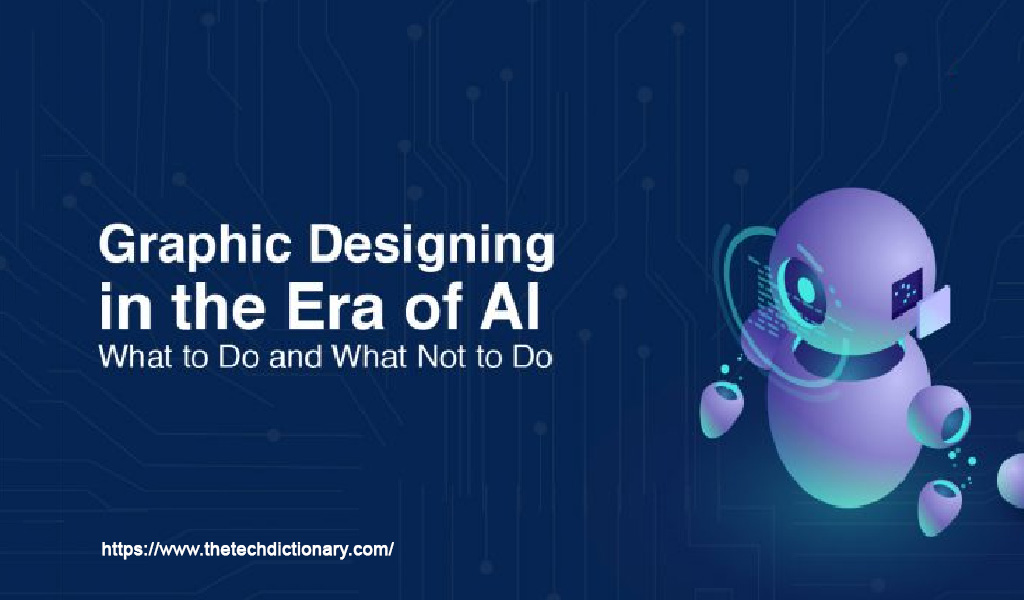
The future of graphic design with AI playing a big role
Tarun T Karan
24th May 2024
Increased Efficiency and Automation:
- AI can handle repetitive tasks like generating variations of layouts, color palettes, and stock image selection. This frees up designers to focus on the creative aspects like concept development, user experience (UX) design, and strategic storytelling.
- AI-powered tools can analyze vast amounts of design data to identify trends and user preferences, informing design decisions and creating data-driven visuals.
Enhanced Creativity and Exploration:
- AI can generate unexpected design ideas and variations, pushing designers beyond their initial concepts and sparking innovation.
- Algorithmic tools can help designers experiment with different styles and techniques, overcoming creative blocks and exploring new possibilities.
Personalization and Customization:
- AI can personalize graphic design elements based on user data or demographics, creating targeted and impactful visuals for specific audiences.
- Real-time design adjustments can be made based on user interactions, creating a more dynamic and engaging design experience.
Evolving Design Roles:
- The role of graphic designers might shift towards becoming "design curators" or "AI art directors," overseeing the design process, guiding AI tools, and making critical selections.
- New design specializations might emerge, focusing on working effectively with AI tools and understanding their capabilities and limitations.
Challenges and Considerations:
- Ethical considerations surrounding AI-generated content and potential copyright issues need to be addressed.
- Ensuring human oversight and creative control remains crucial to avoid homogenization and generic design outcomes.
- The human touch and ability to understand emotions and cultural nuances will always be essential for impactful design.
Overall, the future of graphic design with AI is likely to be a positive one. AI will be a powerful tool to augment human creativity, increase efficiency, and personalize design experiences. However, human designers will remain central to the process, bringing their expertise, strategic thinking, and emotional intelligence to create truly impactful visuals.
Views (14)
Comments (0)
Duration (0)




.jpeg)


 Facebook
 Instagram
 WhatsApp
 Linked in
 Twitter
 Reddit
Comments (0)
Write a Comment